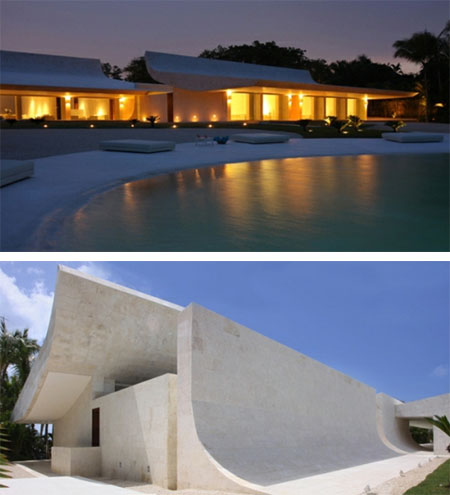
Overall Design addresses a society and its culture in any marked period in time. This is true whether the form of design we are addressing is interior, graphical or architectural. The further you go back in history, you will realize how interior design has blended between artistic societies, has crossed boundaries, and has traveled across continents.
The history of interior design is constantly changing as new ideas eventually take effect and modern materials are gradually developed to accentuate the home. No one knows when the art of interior decorating and design were recognized but as long as there have been homes to live in, these elements of design have existed in some primitive form.
Interior Design for the Wealthy
The mounting evidence of the history of interior design is in the history of the architecture. It appears that throughout the history, interior design was limited to the very wealthy. There is evidence to suggest that interior design was important to the Ancient Egyptians. The richly decorated tombs for the pharaohs were designed both as a final resting place and as comfort for the pharaoh in the next life.
They also believed that architectural design was determined by the gods. Thus they believed that they should not attempt to alter the look of the temples and tombs because improving on perfection was not possible. This belief did not deter the rulers of that time from erecting larger versions of the same design.
Historians are fortunate that so many tombs and temples remained and were not destroyed giving them an overall unbiased view of ancient Egyptian culture.
There are further indications to suggest that the rooms of the ancient Romans were planned around the varied ways that they would be used, which is a key part of modern interior design. For example, they would have separate living rooms based on luxurious comfort for summer and winter seasons.
Development of Interior Design
We can follow the development of design over time. During the Italian Renaissance, all arts experienced an escalation in popularity. Wealthy patrons contributed capital to support the arts.
The mansions of this period were luxuriously decorated with beautiful furniture, oriental carpets, intricately designed mirrors and works of art.
In France during the seventeenth and eighteenth centuries, the design of interior spaces followed purpose and form, with some of the most prominent examples being the excessive decoration of the palace at Versailles, an expression of royal corruption.
Industrial Revolution
At this period in history of interior design, such things were again well out of reach of the average person. This all changed with the advent of the Industrial Revolution. This economic revolution made goods for home decoration cheaper and the middle-class families were soon able to afford such luxuries as having some one else design their home. It was not long before interior design magazines were gradually developed, and the business of interior designer became an industry in itself.
Conclusion
The history of interior design can be such an interesting and fascinating subject and one which integrates profound information about historic interiors with knowledge about historic buildings. It was shaped by numerous styles, movements, social developments and technological revolutions. This history niche has a lot to tell of the individuals living in a particular place and time and will continue to be an effective tool in recording history.
The history of interior design is constantly changing as new ideas eventually take effect and modern materials are gradually developed to accentuate the home. No one knows when the art of interior decorating and design were recognized but as long as there have been homes to live in, these elements of design have existed in some primitive form.
Interior Design for the Wealthy
The mounting evidence of the history of interior design is in the history of the architecture. It appears that throughout the history, interior design was limited to the very wealthy. There is evidence to suggest that interior design was important to the Ancient Egyptians. The richly decorated tombs for the pharaohs were designed both as a final resting place and as comfort for the pharaoh in the next life.
They also believed that architectural design was determined by the gods. Thus they believed that they should not attempt to alter the look of the temples and tombs because improving on perfection was not possible. This belief did not deter the rulers of that time from erecting larger versions of the same design.
Historians are fortunate that so many tombs and temples remained and were not destroyed giving them an overall unbiased view of ancient Egyptian culture.
There are further indications to suggest that the rooms of the ancient Romans were planned around the varied ways that they would be used, which is a key part of modern interior design. For example, they would have separate living rooms based on luxurious comfort for summer and winter seasons.
Development of Interior Design
We can follow the development of design over time. During the Italian Renaissance, all arts experienced an escalation in popularity. Wealthy patrons contributed capital to support the arts.
The mansions of this period were luxuriously decorated with beautiful furniture, oriental carpets, intricately designed mirrors and works of art.
In France during the seventeenth and eighteenth centuries, the design of interior spaces followed purpose and form, with some of the most prominent examples being the excessive decoration of the palace at Versailles, an expression of royal corruption.
Industrial Revolution
At this period in history of interior design, such things were again well out of reach of the average person. This all changed with the advent of the Industrial Revolution. This economic revolution made goods for home decoration cheaper and the middle-class families were soon able to afford such luxuries as having some one else design their home. It was not long before interior design magazines were gradually developed, and the business of interior designer became an industry in itself.
Conclusion
The history of interior design can be such an interesting and fascinating subject and one which integrates profound information about historic interiors with knowledge about historic buildings. It was shaped by numerous styles, movements, social developments and technological revolutions. This history niche has a lot to tell of the individuals living in a particular place and time and will continue to be an effective tool in recording history.